Source Stainless Steel Egg Cutter for Home Kitchen, Catering, and Events
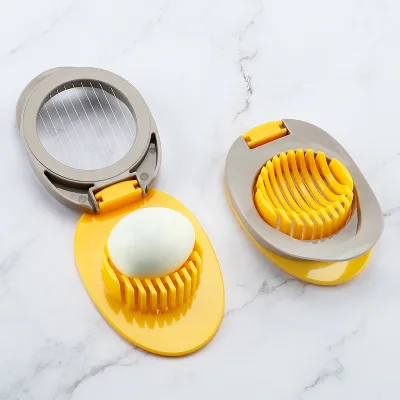
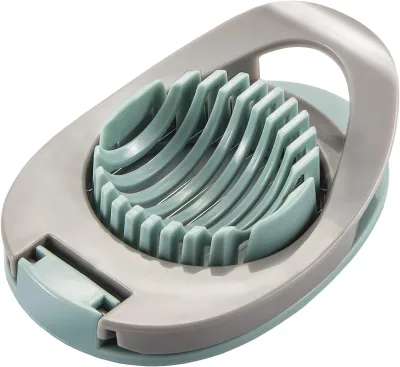
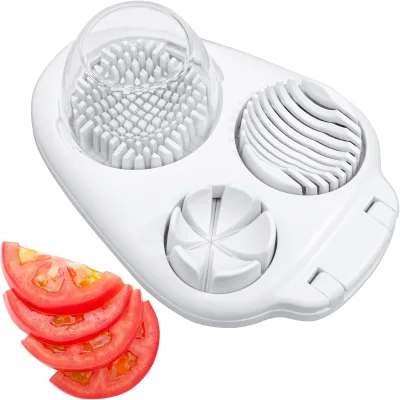
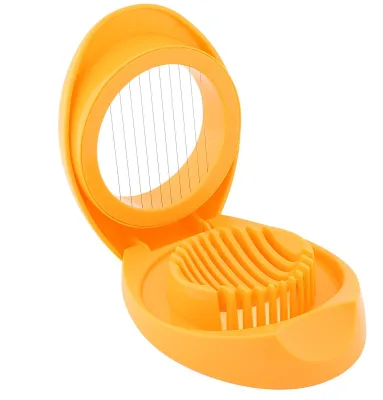
Explore 30 listings for the stainless steel egg cutter, comparing features like material, color, and packaging from suppliers in China. Buyers can evaluate options ranging from OEM to branded models with varying MOQs and lead times; compare the available evidence and request quotations based on your requirements.
Key considerations
Products List
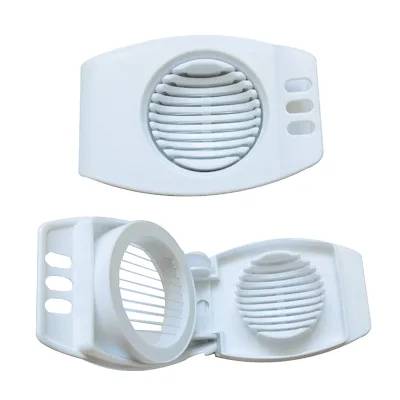
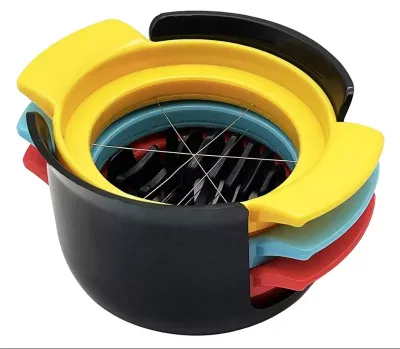
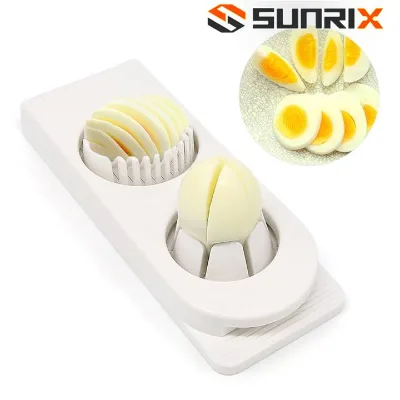
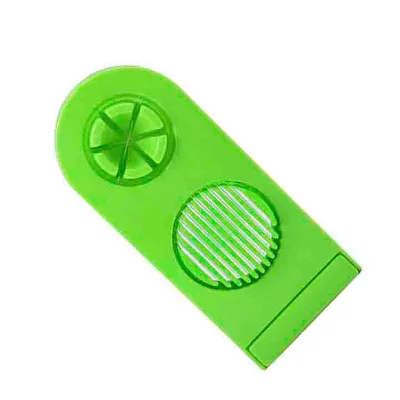




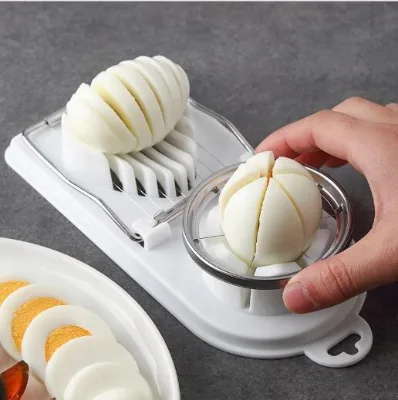


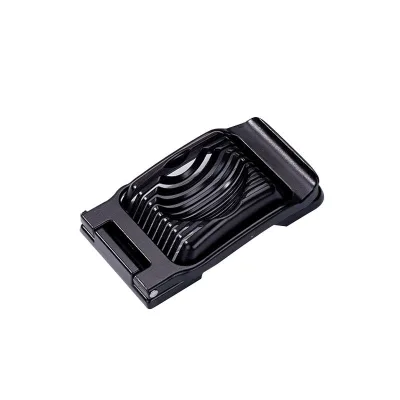


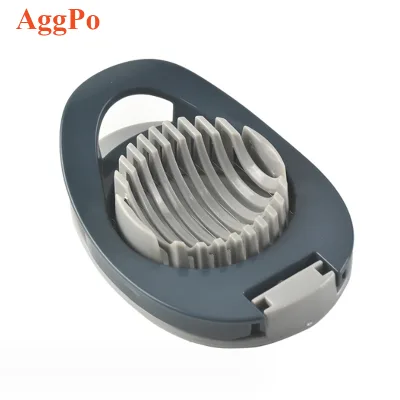


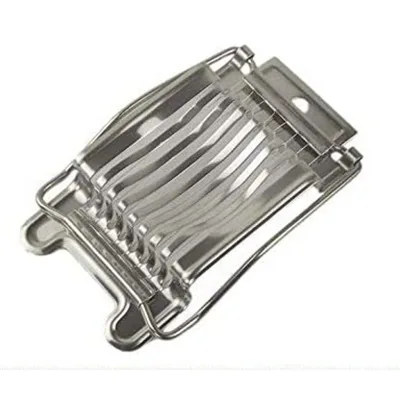
Comprehensive Sourcing Guide
Stainless Steel Egg Cutter Sourcing Guide
Sourcing stainless steel egg cutters requires a clear understanding of the diverse product landscape available from manufacturers, particularly those based in major industrial hubs like Guangdong and Jiangsu in China. Buyers often encounter listings that mix functional descriptions, such as dough kneading or egg stirring, with the primary identity of an egg slicer or cutter. This discrepancy highlights the importance of verifying the exact model number and physical design before placing orders. The observed market includes variations in material composition, ranging from specific stainless steel grades like 18/0 to generic metal constructions, which directly impact durability and food safety.
Procurement teams must also navigate the wide range of packaging and branding options offered by suppliers. Many manufacturers provide customized packaging solutions, including polybags, OPP bags, or neutral export-worthy boxes, allowing brands to tailor the unboxing experience. The availability of OEM services and customized logos enables companies to create private-label products that align with their marketing strategies. However, the presence of stock items alongside made-to-order pieces means that lead times can vary significantly, requiring careful coordination between inventory needs and production schedules to avoid delays in supply chains.
Product Scope and Observed Listing Signals
The current market for stainless steel egg cutters exhibits a broad spectrum of product attributes, including color options such as green, silver, white, gray, sky blue, black, red, and yellow. These aesthetic variations allow buyers to select designs that match specific kitchenware collections or target demographic preferences. The observed listings indicate a strong emphasis on eco-friendly features, suggesting that modern consumers are increasingly drawn to sustainable and durable kitchen tools. Additionally, the presence of stocked items alongside customizable orders provides flexibility for buyers who need immediate fulfillment or wish to test market response with smaller initial batches.
Functional descriptions in the listings sometimes include unrelated terms like dough kneading, which may indicate a broader category classification or a listing error. Buyers should focus on the specific product names, such as "Egg Slicer" or "Stainless Steel Blade Egg Cutter," to ensure they are evaluating the correct tool. The weight of individual units varies, with some models weighing around 103 grams, while others may be lighter or heavier depending on the thickness of the steel and the design of the handle. Understanding these physical characteristics is crucial for calculating shipping costs and ensuring the product feels substantial and high-quality in the hand.
Technical Specifications to Verify
When evaluating technical specifications, the model number serves as the primary identifier for distinguishing between different product variants. Common model numbers observed in the market include RH-A0370, RH-10165, and ND0020, each potentially representing unique design features or material compositions. Buyers should verify the exact dimensions of the cutter, such as the 20 x 9 cm size noted in some listings, to ensure it fits standard packaging requirements and user expectations. The blade configuration is also critical, as stainless steel blades must be sharp enough to slice through eggs cleanly without crushing them, yet safe to handle during use.
Material composition is a key technical factor that influences both performance and longevity. Listings specify materials like stainless steel 18/0 combined with PP (polypropylene) handles, which offer a balance of corrosion resistance and ergonomic comfort. Some products may use generic metal constructions, which buyers should scrutinize to ensure they meet food-grade standards. The single gross weight of items, ranging from negligible values to 0.650 kg, provides insight into the density and build quality of the product. Verifying these specifications against supplier datasheets ensures that the final product matches the intended design and functional requirements.
Compliance and Safety Documentation
Food safety certifications are paramount when sourcing kitchenware that comes into direct contact with food. The LFGB certification is a notable standard mentioned in some listings, indicating that the product meets strict German food safety regulations. Buyers should request valid certification documents from suppliers to verify that the stainless steel and plastic components are free from harmful substances like lead or cadmium. This documentation is essential for maintaining compliance in international markets, particularly in Europe and North America, where regulatory standards for food contact materials are rigorous and frequently updated.
In addition to material certifications, buyers should inquire about the testing procedures used by manufacturers to ensure product safety. This includes verifying that the blades are securely attached to the handle to prevent detachment during use, which could pose a choking or injury hazard. The packaging details, such as the use of OPP bags or white boxes, should also be evaluated for their ability to protect the product during transit without introducing contaminants. Ensuring that all components meet relevant safety standards helps mitigate liability risks and builds consumer trust in the brand’s commitment to quality and safety.
Cost Drivers and Commercial Terms
The cost of stainless steel egg cutters is influenced by several factors, including material quality, customization level, and order volume. The observed price range of 0.13 to 1800 USD reflects the diversity of products available, from simple basic models to premium, heavily branded items. Minimum Order Quantities (MOQs) vary significantly, with some suppliers requiring as few as one piece for samples and others demanding up to 3600 pieces for bulk production. Buyers must align their order quantities with their sales forecasts to avoid excess inventory or stockouts, leveraging the supply ability of 10,000 pieces per month for larger commitments.
Payment terms and logistics also play a crucial role in the total cost of ownership. Standard payment terms often include a 30% deposit with the remaining 70% balance paid before shipment, a structure that protects both buyer and supplier interests. The port of dispatch, typically Shenzhen, affects shipping costs and lead times, with an average process time of 15 days for production. Buyers should negotiate clear terms regarding packaging customization and logo application, as these services may incur additional fees. Understanding these commercial dynamics allows for more accurate budgeting and smoother transaction processes.
Supplier Qualification and Quality Control
Supplier qualification begins with verifying the place of origin and manufacturing capabilities. Many suppliers are located in Guangdong and Jiangsu, regions known for their robust manufacturing ecosystems and expertise in metalworking and plastic injection molding. Buyers should assess the supplier’s ability to maintain consistent quality across large production runs, given the high supply capacity observed in the market. Requesting samples is a critical step in this process, allowing buyers to physically inspect the product’s finish, blade sharpness, and overall build quality before committing to a larger order.
Quality control measures should be clearly defined in the purchase agreement, including inspection protocols for both raw materials and finished goods. Buyers should specify acceptable tolerances for dimensions, weight, and color variations to ensure consistency across batches. The availability of customized packaging and logos requires close collaboration with the supplier to prevent errors in branding and presentation. Establishing a clear communication channel for addressing defects or discrepancies ensures that any issues are resolved promptly, maintaining the integrity of the supply chain and protecting the brand’s reputation in the market.
Long-Term Procurement Checks
Long-term procurement success depends on establishing a reliable relationship with suppliers who can scale with your business needs. Regularly reviewing supplier performance metrics, such as on-time delivery rates and defect percentages, helps identify potential issues before they impact your operations. Buyers should also stay informed about changes in material costs and regulatory requirements that could affect the product’s price or compliance status. Maintaining open lines of communication with suppliers ensures that any updates in production processes or material sourcing are communicated promptly, allowing for proactive adjustments to procurement strategies.
Continuous improvement in product design and packaging can also drive long-term value. Buyers should solicit feedback from end-users to identify areas for enhancement, such as improved ergonomics or more sustainable packaging materials. Periodically re-evaluating the supplier’s certification status and quality control processes ensures that they continue to meet evolving industry standards. By fostering a collaborative partnership with suppliers, buyers can secure a steady supply of high-quality stainless steel egg cutters that meet both current market demands and future growth objectives.
FAQs
What certifications do stainless steel egg cutters have?
The products hold LFGB certification to ensure food safety standards. This certification confirms the materials meet strict European safety requirements for kitchen tools. Buyers can verify this compliance before placing bulk orders for home kitchen use.
Can I request a customized logo on the product?
Yes, customized logos are available for bulk orders. Suppliers accept personalized branding requests to help businesses build their identity. This service allows buyers to add their specific design to the egg slicer or cutter for retail distribution.
What is the minimum order quantity for these items?
The minimum order quantity is 3600 pieces for standard orders. Some listings may show different quantities, but the high-confidence fact indicates this specific threshold. Buyers should confirm the exact MOQ with the supplier before finalizing their purchase agreement.
How long does the production process take?
The typical process time is 15 days for manufacturing. This duration covers the preparation and assembly of the stainless steel and PP components. Buyers should plan their inventory accordingly to ensure timely delivery after the production cycle completes.
Which materials are used to make the egg cutter?
The product is constructed from stainless steel 18/0 and PP plastic. This combination ensures durability and resistance to rust while maintaining a lightweight feel. The materials are selected to provide high-grade quality for repeated use in home kitchens.
Are samples available for quality inspection before bulk buying?
Samples are available for buyers to inspect product quality. This allows purchasers to verify the build and finish before committing to a large order. Buyers can request a sample to test the functionality of the egg slicer or cutter.
What is the supply capacity of the manufacturer?
The supply ability is 10000 pieces per month. This capacity ensures consistent availability for large orders without significant delays. Buyers can rely on this output rate to meet their distribution needs for the stainless steel egg cutting tools.